
Ways to Keep Students Engaged Over Winter Break
Winter break is fast approaching, and kids across Oregon are eager for a pause from their school routines. However, extended time away from structured learning can lead to what educators call the “winter melt,” a form of learning loss that can impact students when they return to in-person and online learning after winter break.
The cure for the winter melt isn’t more homework. Instead, parents and caregivers should seek a balance between relaxation and intentionally engaging in learning activities that help students maintain academic momentum and personal well-being. This student-centric approach aligns well with Oregon Charter Academy’s (ORCA) personalized online learning model.
In this post, we’ll share age-appropriate ways to support online learning over winter break that don’t involve homework or other classroom activities.
Foundational Strategies to Support Online Learning
Some activities support learning at every age by reinforcing routines, creativity, literacy, and self-reflection.
Prioritize Routines and Wellness
It’s easy for regular schooltime routines to go out the window during the holidays. However, keeping a light, consistent schedule helps students transition back to school more smoothly when winter break ends. Maintaining regular bedtimes and mealtimes is a great place to start, while still allowing flexibility for family time and holiday traditions.
Creative Arts and Hands-On Projects
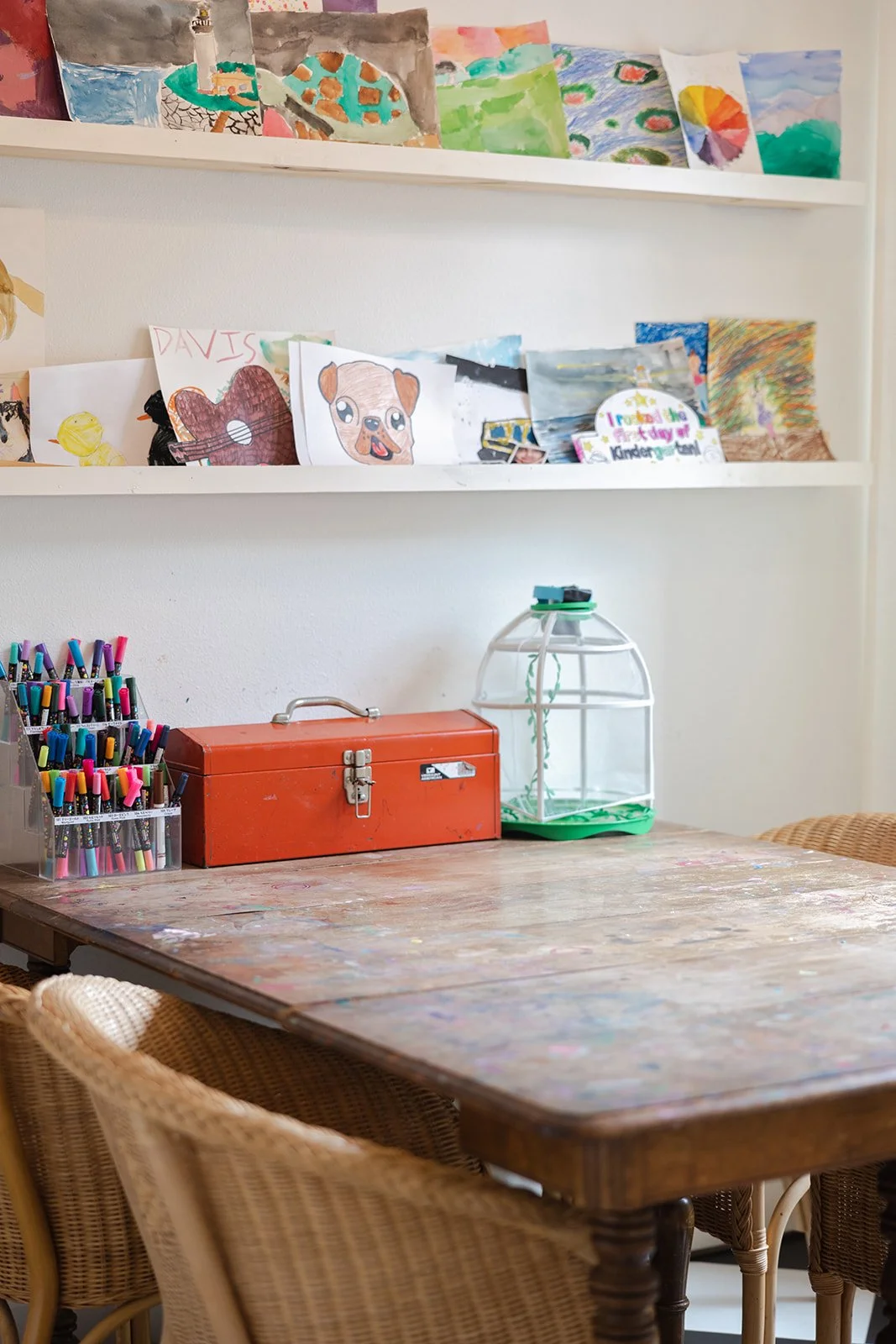
Setting aside regular time for students to explore their creativity through hands-on learning is another effective way to mitigate the winter melt. Building with blocks, LEGO, or wooden boards strengthens students’ spatial awareness and problem-solving skills. Simple science experiments, like watching snow melt, spark curiosity that can fuel continued learning.
Focus on Fostering a Love of Reading
Building a dedicated reading routine can benefit students for their entire lives. Spending just 15 minutes per day reading for pleasure can improve vocabulary and literacy skills, regardless of age. To help your student explore their love of reading, try creating a cozy reading nook in your home or using a winter reading bingo sheet to make reading feel fun while encouraging consistency during winter break.
Social-Emotional Learning and Reflection
Not all learning happens in textbooks. School is a great place for students to start building skills to understand and manage their emotions, show empathy, and build relationships with their peers. Parents can help their students continue this learning over winter break by encouraging them to reflect on the past year in a journal or by writing thank-you notes after the holidays. These types of activities reinforce feelings of gratitude, support handwriting and spelling skills, and inspire empathy, all of which are critical for successful lifelong learning.
Elementary School: Hands-On Winter Break Learning Activities
Elementary students benefit the most from activities that promote real-world applications of core subjects and hands-on experiences. Here are a few places to start:
Learn Math and Science Through Play
Infusing elements of play with learning can keep elementary students engaged and focused. Simple card games like Uno or Go Fish help young learners recognize their numbers and letters. Board games like Monopoly can teach older students how to count money. Even simple activities like cutting snowflakes out of construction paper can provide real-world geometry lessons that will keep your students’ brains primed for learning during winter break.
Daily Reading Activities
Learning to read is a critical skill for young students. Studies show that students who aren’t reading at grade level by third grade are four times more likely to drop out of high school. Parents can support literacy skills during winter break by reading aloud together, encouraging independent reading, and listening to audiobooks. Asking simple comprehension questions can help reinforce understanding.
Find Experiential Learning Opportunities
Taking your students on outdoor walks and talking about what you see together is an excellent way to learn about the natural environment. Use winter weather as an opportunity to talk about the seasons, why the days are shorter, or animal behaviors like hibernation. These conversations help elementary students connect what they’re already discussing in class to the world around them.
Middle School: Encouraging Independence and Engagement During Winter Break
Middle school students are growing more independent and developing individual interests that will someday carry them into college or a career. Winter break is a great time to help students become more autonomous and explore their newfound passions.
Real-World Math and Science in the Kitchen
A great place to begin is in your family’s kitchen. Cooking and baking require math fluency, particularly with fractions. Asking students to halve or double a recipe will increase the difficulty level just a bit for more advanced students. Once they’ve finished their cooking project, they’ll also have the satisfaction of creating something they can proudly share with friends and family.
Setting a Course for the New Year
Parents can encourage their middle school students to start thinking about their future by asking them to set goals for the New Year. This provides both an opportunity to reflect on what they’ve already accomplished and dream about what else might be possible. Students who are more engaged creatively might enjoy creating a New Year’s vision board. Other students might be more inclined to create a simple list. Either way, they’ll benefit from the act of making intentional plans for the future.
Independent and Interest-Driven Learning
Winter break is the perfect time for passion projects. Encourage students to explore their interests independently. Maybe they’d enjoy a reading challenge where they explore a new book genre that’s related to one of their interests, like a biography or work of historical fiction. Maybe they can explore a passion project by writing a piece of fan fiction about their favorite video game, movie, or TV show. This kind of self-directed learning keeps students engaged without pressure.
High School: Planning for the Future Over Winter Break
High schoolers often have their eyes set on their next step in life. Some will be off to college. Others are eager to begin their career. Winter break can be an excellent time to focus on these areas so they can enter the new year ready to succeed in their next venture.
Future-Focused Planning and Exploration
College-bound students may already be deep in their application process. Families can use the winter break to continue this work by filling out financial aid applications, searching for scholarships, and making other future plans. Students who are moving on to a career after graduation can also use this time to plan by researching potential careers, internships, trade schools, or other steps that can help them get a jumpstart on the next phase of their lives.
Catch Up or Revisit Classwork
High school can be a demanding time, with heavier workloads and increasing pressure as students work toward graduation. Staying on track can be challenging, and some students may fall behind or feel they are not as far ahead as they would like to be. Using winter break to catch up on assignments or revisit recorded lessons can help students regain momentum and start the new term feeling more confident.
Community Literacy
The winter break can also be a wonderful time for high school students to connect with their communities. Volunteering during the holidays is a great way to learn about community service, offer students opportunities to learn leadership skills, and can be valuable during the college application process.
Recharge, Reflect, and Return Confident
Winter break should be a time for rest, connection, and renewal. Even small moments of intentional engagement can help students return to school confident and ready to learn.
If you are considering online learning for your child in the new year, Oregon Charter Academy offers tuition-free, personalized online education for K–12 students across Oregon. Our virtual information sessions offer a chance to learn more.